
TOURISM GUIDE
- Home
- Area Sightseeing & Events
- Annual Events
Annual Events in Nagasaki
Annual events in Nagasaki
2
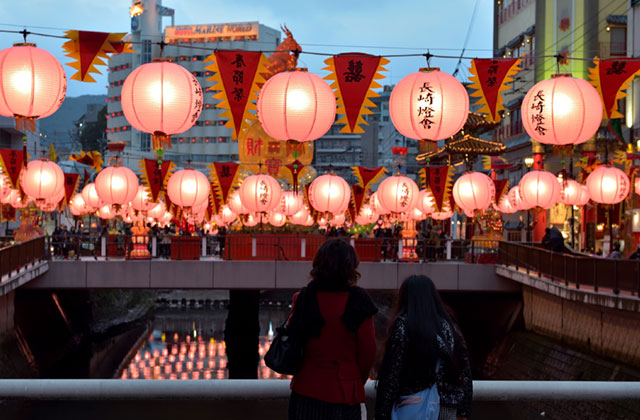
Nagasaki Lantern Festival
Originating from "Shunsetsu-sai," the celebration of the Chinese Lunar New Year, the Nagasaki Lantern Festival is one of the city's grandest winter traditions. Approximately 15,000 vividly colored lanterns (Chinese paper lanterns) and large illuminated objects are displayed throughout central Nagasaki, including Nagasaki Shinchi Chinatown, Minato Park, Chuo Park, the area around Meganebashi (Spectacles Bridge), and the Hamanomachi/Kanko-dori shopping arcades, casting a magical glow over the city.
- From the first Friday of February each year, for about 2 weeks
- Nagasaki Shinchi Chinatown, Minato Park, Chuo Park, the Meganebashi area, the Hamanomachi/Kanko-dori shopping arcades, and more
- https://www.at-nagasaki.jp/lantern-festival
7
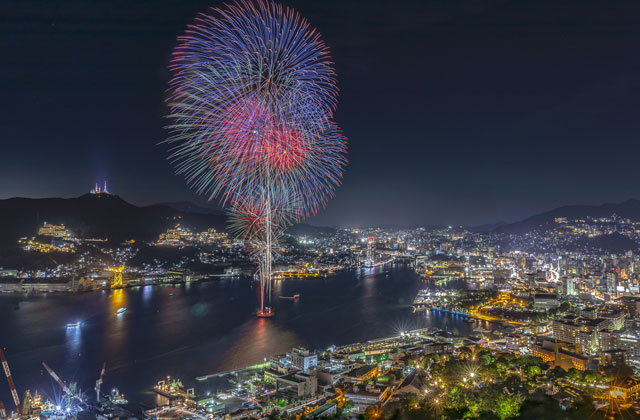
Nagasaki Minato Matsuri (Port Festival)
A festival drawing visitors from across Nagasaki and beyond, with a total of 8,000 fireworks lighting up the night sky over Nagasaki Port during the event. Watching fireworks beside the beautiful sea is a truly stunning sight.
- The last Saturday of July each year
- Nagasaki Seaside Park & Nagasaki Port
- 22-17 Tokiwa-machi, Nagasaki City, Nagasaki Prefecture
- From JR Nagasaki Station, take the streetcar bound for "Sofukuji" for 5 minutes, get off at "Dejima" stop, then 3 minutes on foot
- https://www.minatomatsuri.com/
8
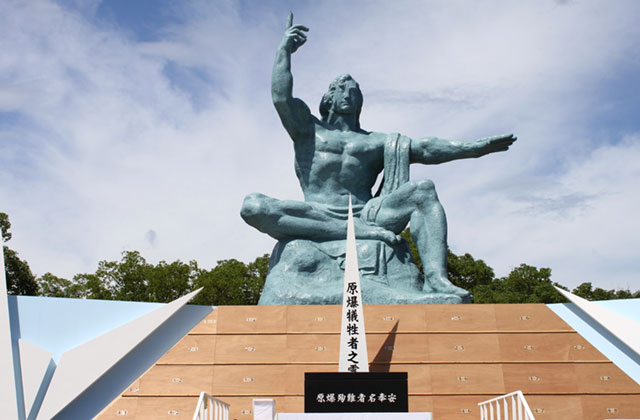
Nagasaki Peace Memorial Ceremony for Atomic Bomb Victims
The Peace Memorial Ceremony is held to pray for the repose of the atomic bomb victims and to call upon the world for the abolition of nuclear weapons and the realization of lasting peace.
- August 9 each year
- Peace Park and other locations (22-17 Tokiwa-machi, Nagasaki City, Nagasaki Prefecture)
- From JR Nagasaki Station, streetcar / 15 minutes / get off at Matsuyama-machi stop / 5 minutes on foot
- https://www.at-nagasaki.jp/event/50862/
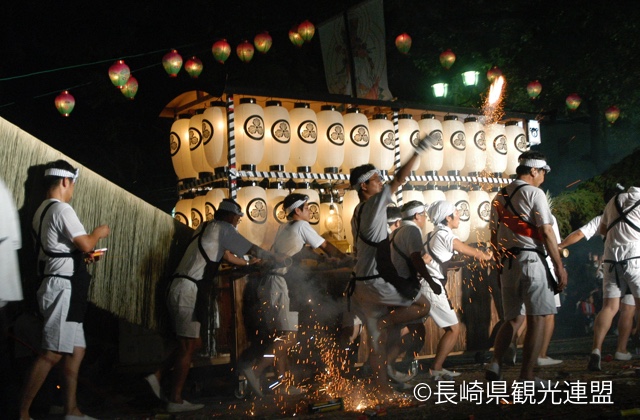
Shoronagashi (Spirit Boat Procession)
As dusk approaches on August 15 each year, the sound of bells echoes through the town from every direction, accompanied by the deafening crackle of firecrackers. With cries of "Doi-doi," processions continue late into the night. Bereaved families of those who passed away before the Obon season build handmade boats and pull them through the streets to send the souls of their loved ones off to paradise — a cherished Nagasaki tradition.
- August 15 each year
- Central Nagasaki City, Nagasaki Prefecture (main route: Shianbashi – Kenchō-zaka – Ōhato)
- https://www.nagasaki-tabinet.com/event/51798/
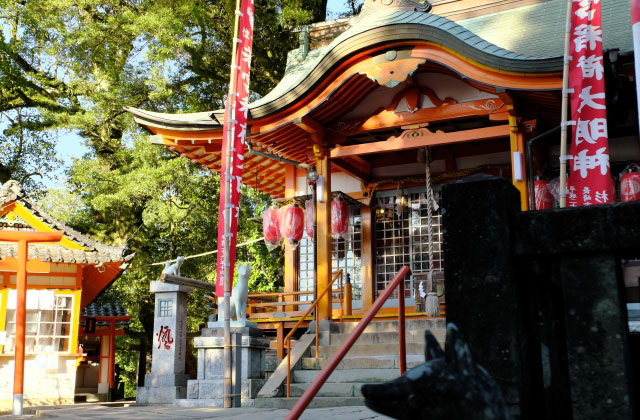
Take-no-Gei (Bamboo Acrobatics)
Performed as a dedication at the autumn festival of Wakamiya Inari Shrine, this acrobatic display traces its origins to the Rakan dance brought from China.
- October 14 – October 15 each year
- Wakamiya Inari Shrine, 2-10-2 Irabayashi, Nagasaki City
- https://www.nagasaki-tabinet.com/event/51413
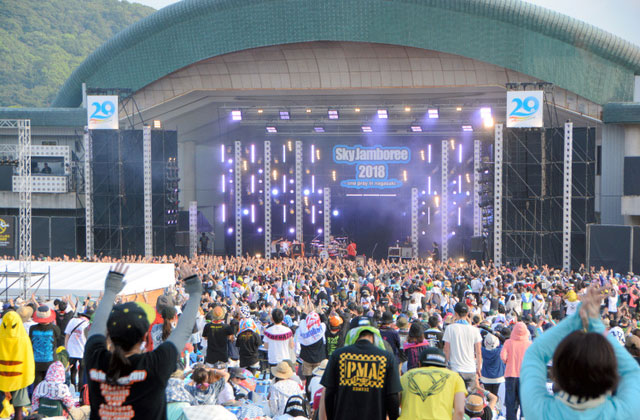
Inasayama Sky Jamboree
Sky Jamboree is an outdoor rock festival hosted by FM Nagasaki, held every August at the open-air stage in Inasayama Park, Nagasaki Prefecture.
- TBD
- Open-air stage at Inasayama Park, Nagasaki City
- Shuttle bus to the venue from JR (Nagasaki Prefectural Government / Onoue-no-Oka Plaza)
- https://www.skyj.jp/
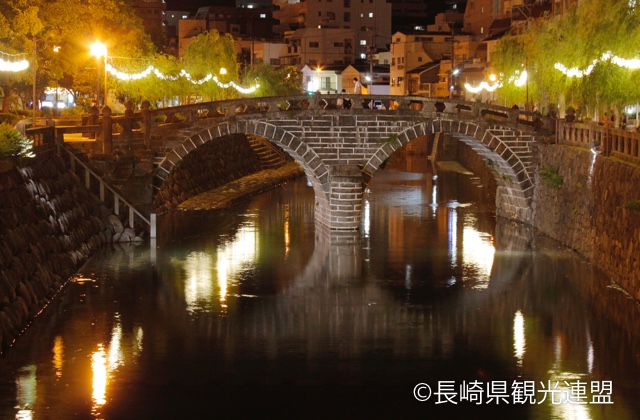
Summer Charm of the Nakashima River — Nagasaki Night Market
A night market is held along the Nakashima River, where the illuminated Meganebashi (Spectacles Bridge) and 200 paper lanterns light the way. Put on a yukata and enjoy a leisurely summer evening stroll. On event days, the market is filled with stalls, magic shows, and other festivities!
- Scheduled for August each year
- Along the Nakashima River, Nagasaki City
- https://www.at-nagasaki.jp/event/52060/
9
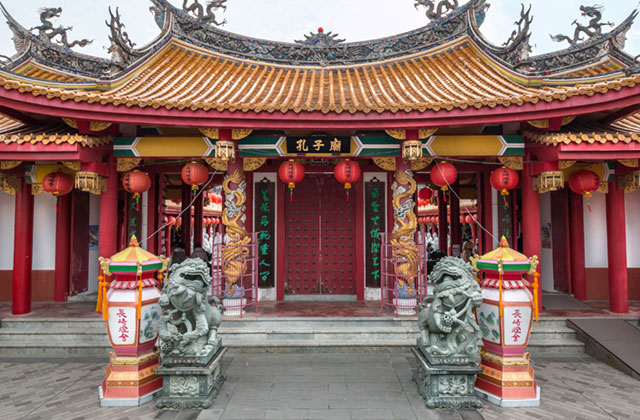
Koshi-sai (Confucius Festival)
A festival celebrating the birth of Confucius (551 BC), founder of Confucianism.
Built in 1893 (Meiji 26), the Nagasaki Confucius Shrine combines the colorful architectural styles of southern and northern China, with a statue of Confucius enshrined in the Daiseiden hall rising at its center.
- TBD
- Nagasaki Confucius Shrine, 10-36 Oura-machi, Nagasaki City
- https://www.at-nagasaki.jp/event/51064/
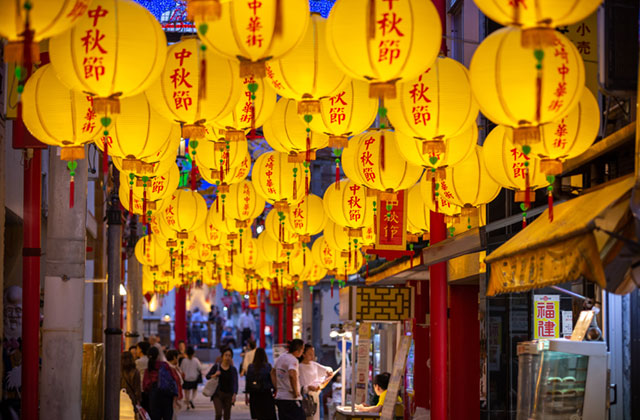
Nagasaki Chinatown Mid-Autumn Festival
The Mid-Autumn Festival is one of China's three major seasonal celebrations (along with Spring Festival and Dragon Boat Festival), and is loved in Japan as "Otsukimi" (Moon Viewing). The mid-autumn moon, at its brightest, roundest, and most luminous, is celebrated as a symbol of family togetherness. The thousand full-moon lanterns lighting the venue are a spectacular sight.
- Late September each year (scheduled)
- Nagasaki Shinchi Chinatown & Minato Park
- http://www.nagasaki-chinatown.com/
10
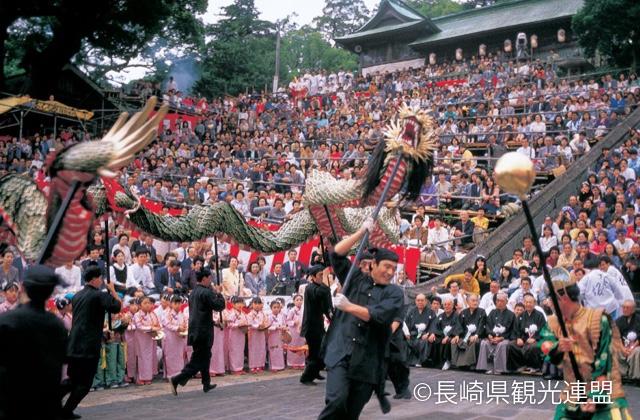
Nagasaki Kunchi
Held on October 7, 8, and 9 each year, "Nagasaki Kunchi" is the autumn grand festival of Suwa Shrine, the tutelary shrine of Nagasaki. Boasting over 370 years of history and tradition, it is designated as an Important Intangible Folk Cultural Property of Japan.
From the spectator stands, calls of "Motte-koi" (encore!) ring out, and the venue erupts with excitement.
- October 7, 8, and 9 each year
- Suwa Shrine, Otabisho, Yasaka Shrine, Chuo Park Kunchi viewing area
・Suwa Shrine: streetcar bound for "Hotarujaya," get off at Suwa Shrine
・Otabisho: streetcar bound for "Akasako" or "Sofukuji," get off at Ohato, next to Yume Town Yumesaito
・Chuo Park: streetcar bound for "Sofukuji," get off at Shinchi Chinatown, transfer to streetcar bound for "Hotarujaya," get off at Meganebashi
・Yasaka Shrine: streetcar bound for "Sofukuji," get off at Sofukuji- http://nagasaki-kunchi.com/