
TOURISM GUIDE
- Home
- Sightseeing & Events
- Sightseeing Spots
Sightseeing Spots
TOURISM SPOT
Nagasaki Shinchi Chinatown
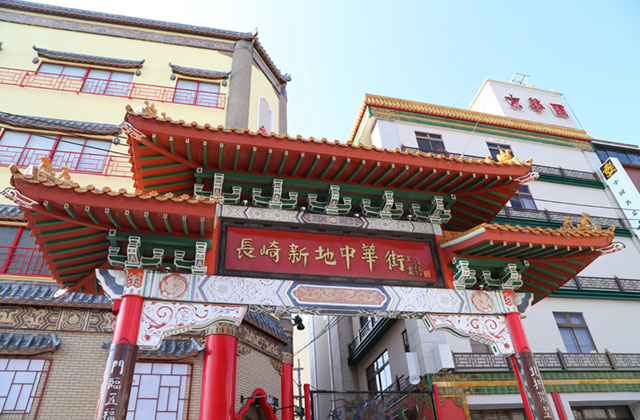
One of Japan's three great Chinatowns. The cobblestone crossroads, stretching 250 meters north-south and east-west, is lined with Chinese restaurants and Chinese goods shops. It is also the main venue for the Nagasaki Lantern Festival.
- 10-13 Shinchi-machi, Nagasaki City, Nagasaki Prefecture
- 3-minute walk from Hotel Marine World
- Approx. 2-minute walk from "Shinchi Chinatown" tram stop
- Nagasaki Shinchi Chinatown Official Site
Dejima & Mini Dejima
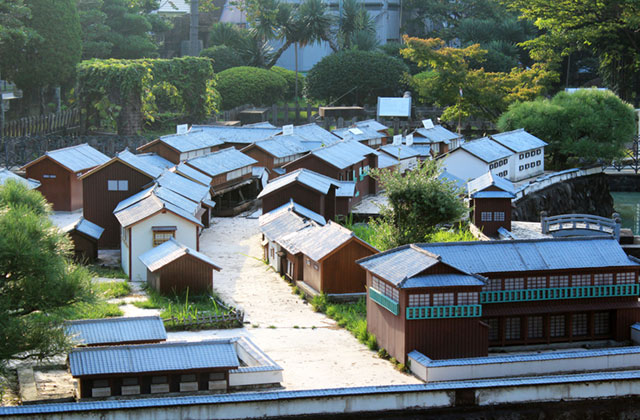
During Japan's roughly 200-year period of national isolation, this was the country's only window for trade with the West. Entering from the west gate lets you trace history forward from the early 19th-century Edo period through the end of the shogunate and into the Meiji era; entering from the east gate lets you trace history backward from Meiji through the late Edo period.
- 6-1 Dejima-machi, Nagasaki City, Nagasaki Prefecture
- 7-minute walk from Hotel Marine World
- 1-minute walk from "Dejima" tram stop
- Dejima Official Site
Dutch Slope (Oranda-zaka)
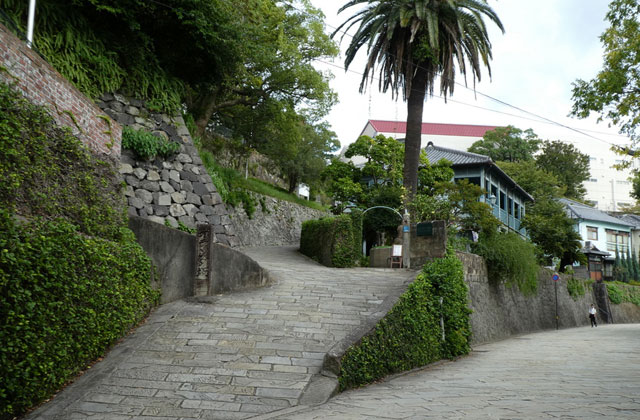
A filming location for Madame Butterfly and for Masaharu Fukuyama's Kewpie commercials. A sloping street running through the former foreign settlement, with an unmistakably exotic atmosphere.
- Higashiyamate-machi, Nagasaki City
- 10-minute walk from Hotel Marine World
- 4-minute walk from "Medical Center" tram stop
- Nagasaki Tabinet Travel Site
Sofukuji Temple
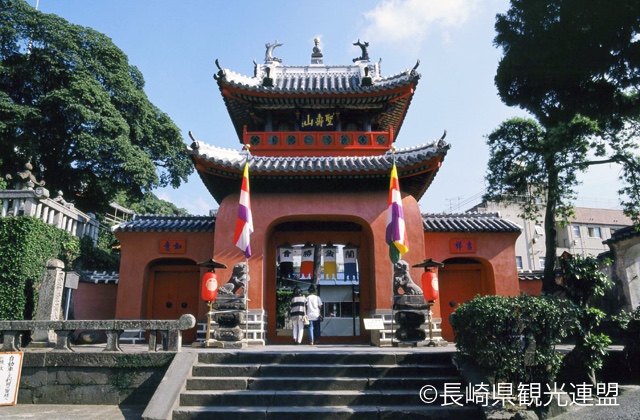
Founded in 1629 (Kan'ei 6) by overseas Chinese from Fujian Province who were trading in Nagasaki, who invited the monk Chaoran from Fuzhou to establish it. It is the oldest Chinese-style temple in Japan.
- 7-5 Kajiya-machi, Nagasaki City
- Approx. 8-minute walk from Hotel Marine World
- 3-minute walk from "Sofukuji" tram stop
- Nagasaki City Official Site
Nagasaki Confucius Shrine & Museum of Chinese History
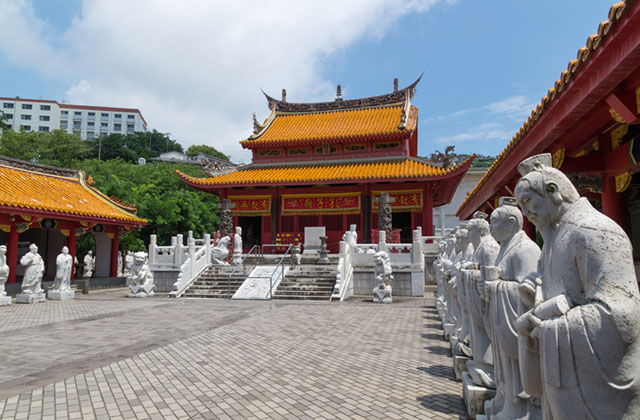
Built by the Qing Dynasty government and the overseas Chinese community, the shrine features a statue of Confucius along with 72 stone statues of his disciples and other treasures brought from China. The grounds of the Confucius Shrine are technically outside Japanese territory, but no passport is required to visit.
- 10-36 Oura-machi, Nagasaki City
- 15-minute walk from Hotel Marine World
- 4-minute walk from "Oura Cathedral" tram stop
- Nagasaki Confucius Shrine & Museum of Chinese History Official Site
Oura Cathedral
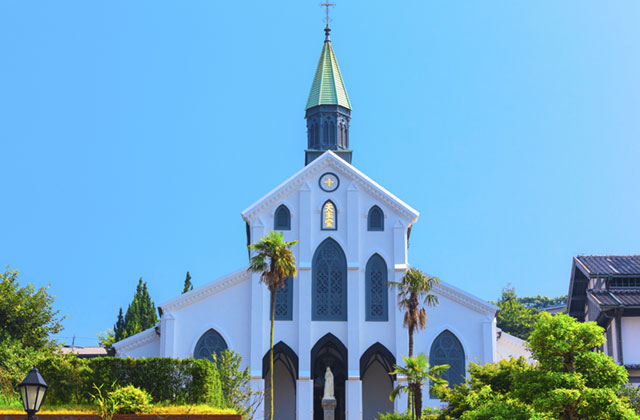
The stage for the dramatic "Discovery of the Hidden Christians," a moment that left its mark on world religious history. Built for resident foreigners in the Nagasaki settlement that was developed after Japan opened to the world at the end of the shogunate, it is a Gothic-style church representative of medieval European architecture, and the oldest surviving example in Japan.
- 5-3 Minamiyamate-machi, Nagasaki City
- 20-minute walk from Hotel Marine World
- 5-minute walk from "Oura Cathedral" tram stop
- Oura Cathedral Official Site
Glover Garden
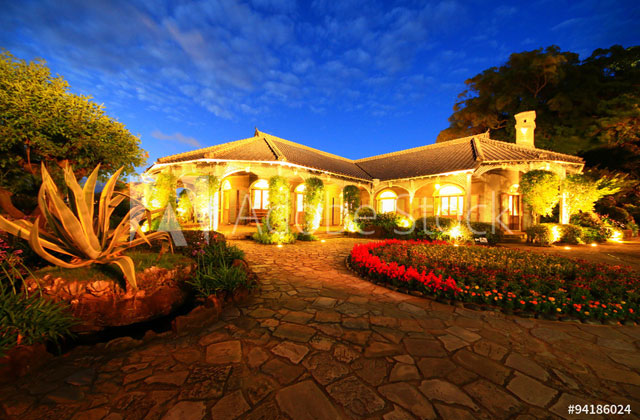
Centered on the former Glover, Ringer, and Alt residences — all designated Important Cultural Properties — this garden brings together six Meiji-era Western-style houses that once stood scattered across the city, relocated and restored on site. From mid-July through early October, the garden offers evening hours when the former Glover Residence and the other Western-style buildings are beautifully illuminated.
- 8-1 Minamiyamate-machi, Nagasaki City
- 20-minute walk from Hotel Marine World
- 7-minute walk from "Oura Cathedral" tram stop
- Glover Garden Official Site
Kameyama Shachu Memorial Museum
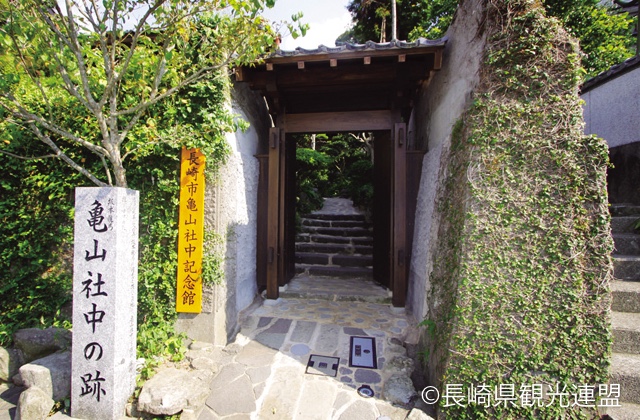
Kameyama Shachu was the trading company founded by Sakamoto Ryoma with bold hopes for the future. The Nagasaki City Kameyama Shachu Memorial Museum was restored on the very site where it once stood. Step inside and connect with the spirit of Ryoma and the other patriots who passed through these rooms.
- 2-7-24 Irabayashi, Nagasaki City
- 20-minute walk from Hotel Marine World
- 12-minute walk from "Shimin Kaikan" tram stop
- Kameyama Shachu Memorial Museum Official Site
Meganebashi (Spectacles Bridge)
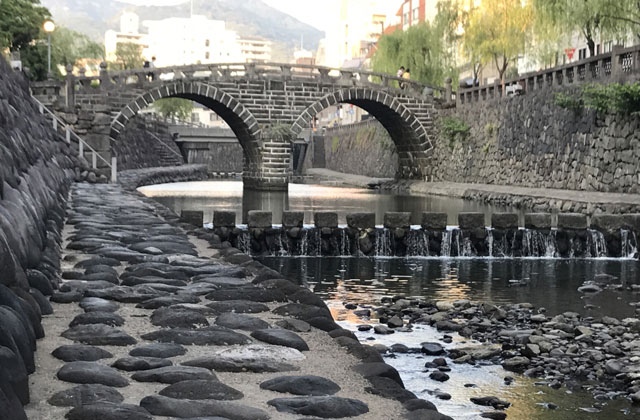
Japan's oldest arched stone bridge, designated a national Important Cultural Property. Together with Nihonbashi and Kintaikyo, it is counted among Japan's three great famous bridges.
- Between Uonomachi/Sakaemachi and Suwamachi/Furukawamachi
- 10-minute walk from Hotel Marine World
- 3-minute walk from "Meganebashi" tram stop
- Nagasaki City Official Site
Teramachi Street
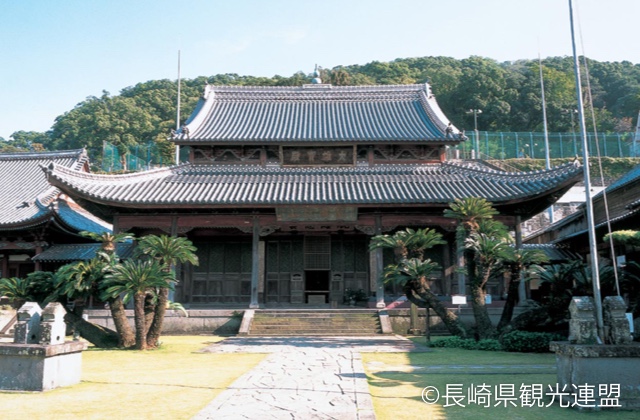
At the foot of Mt. Kazagashira, the Teramachi and Kajiyamachi areas are home to a string of Chinese-style temples and a concentration of historic religious sites steeped in foreign cultural influence. Stroll through quiet, atmospheric streetscapes lined with buildings — including Japan's oldest Chinese temple — that helped Nagasaki blossom as a meeting point of cultures and shaped later Japanese tradition.
- Teramachi, Nagasaki City
- 20-minute walk from Hotel Marine World
- 12-minute walk from "Shimin Kaikan" tram stop
- Teramachi on Tripadvisor
Historic Restaurant Kagetsu
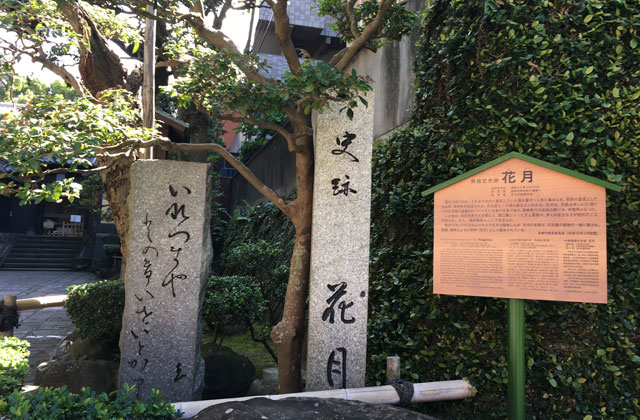
Kagetsu is the name of a teahouse built around 1818 (Bunsei 1) within the garden of Hikitaya, a courtesan house founded in 1642 (Kan'ei 19). Hikitaya closed its doors at the end of the Taisho era, but the Kagetsu name, the Hikitaya garden, and its buildings have been preserved to this day, and the site was designated a Nagasaki Prefectural Historic Site in 1960 (Showa 35).
- 2-1 Maruyama-machi, Nagasaki City, Nagasaki Prefecture
- 5-minute walk from Hotel Marine World
- 5-minute walk from "Shianbashi" tram stop
- Historic Restaurant Kagetsu Official Site
Suwa Shrine
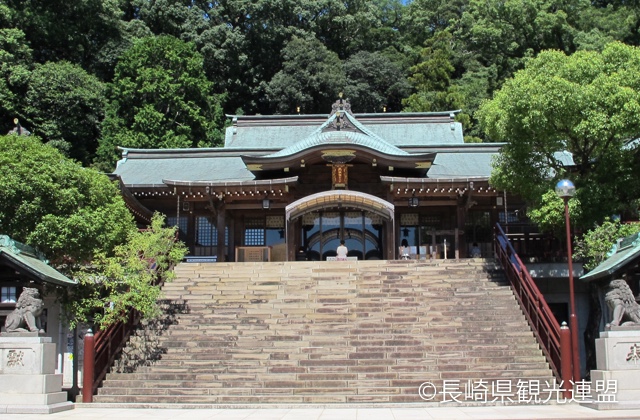
Known affectionately to locals as "Osuwa-sama" or "Osuwa-san." Its annual festival, Nagasaki Kunchi, held from October 7 to 9, is counted among Japan's three great festivals for its splendor and richly exotic atmosphere.
- 18-15 Kami-Nishiyama-machi, Nagasaki City
- Take the Hotarujaya-bound tram and get off at "Suwa Jinja," then 5-minute walk
- Suwa Shrine Official Site
Nagasaki Seaside Park
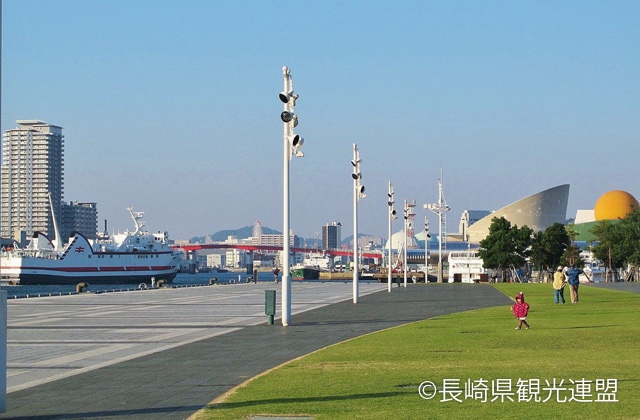
Created on reclaimed land within Nagasaki Harbor as part of a redevelopment project that also produced the adjoining Nagasaki Prefectural Art Museum. The park is divided into three zones: the "Great Earth Plaza," the "Water Garden," and the "Waterside Promenade."
- 1-60 Tokiwa-machi, Nagasaki City
- 10-minute walk from Hotel Marine World
- 5-minute walk from "Dejima" tram stop
- Nagasaki Seaside Park Official Site
Museum of the Twenty-Six Martyrs of Japan
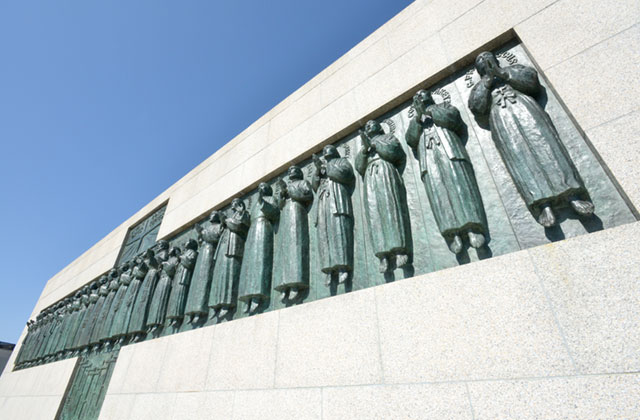
A museum standing on Nishizaka Hill, the site where six foreign missionaries and twenty Japanese believers — the Twenty-Six Martyrs — are said to have been executed in 1597 (Keicho 1). The exhibits trace the history of Christianity in Japan, from Francis Xavier's mission and the subsequent persecution and martyrdom, through the era of the hidden Christians, and on to the revival of the faith from Meiji onward.
- 7-8 Nishizaka-machi, Nagasaki City
- 5-minute walk from JR Nagasaki Station
- Museum of the Twenty-Six Martyrs of Japan Official Site
Gunkanjima Digital Museum
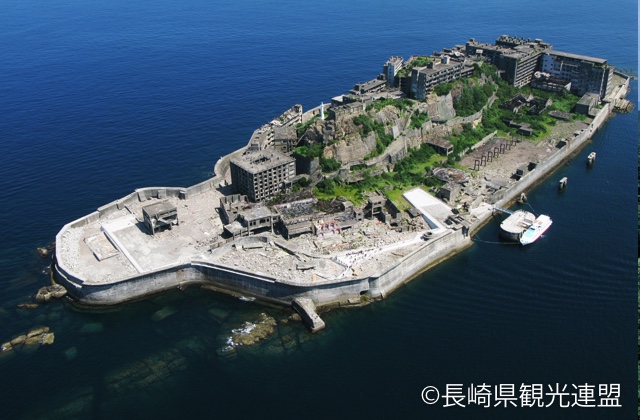
A facility where visitors can experience "Hashima Coal Mine" (Gunkanjima, or Battleship Island) — registered in 2015 as a component of the "Sites of Japan's Meiji Industrial Revolution" World Heritage listing — through the latest digital technology.
- 5-6 Matsugae-machi, Nagasaki City
- 1-minute walk from "Oura Cathedral" tram stop
- Gunkanjima Digital Museum Official Site
Mt. Inasa
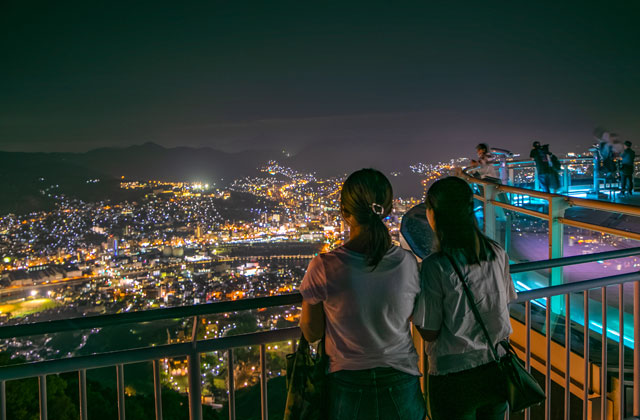
A night view chosen alongside those of Hong Kong and Monaco as among the world's finest. You can reach the summit by the Mt. Inasa Ropeway, and the view from the ropeway cabin itself is equally spectacular.
- 20 minutes by taxi
- 10 minutes by taxi to the ropeway boarding station
- Mt. Inasa Park Website
Nagasaki Atomic Bomb Museum
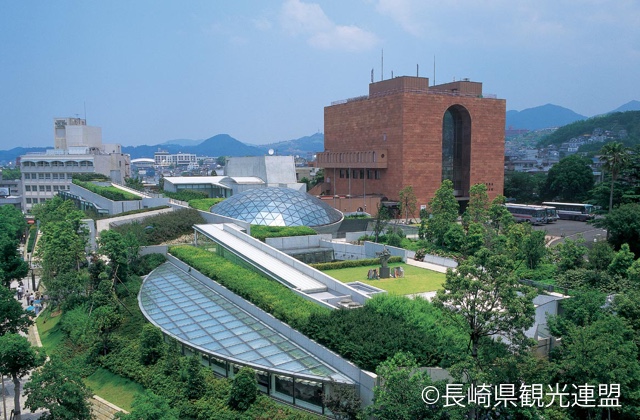
A facility that conveys the horror of the atomic bomb and the preciousness of peace. Comparing photographs of Nagasaki immediately after the bombing with the city today shows how remarkably quickly Nagasaki recovered, and speaks to the resilience of its people.
- 7-8 Hirano-machi, Nagasaki City
- Take the Akasako-bound tram and get off at "Atomic Bomb Museum" stop, then 5-minute walk
- Nagasaki Atomic Bomb Museum Official Site
Peace Park (Atomic Bomb Hypocenter)
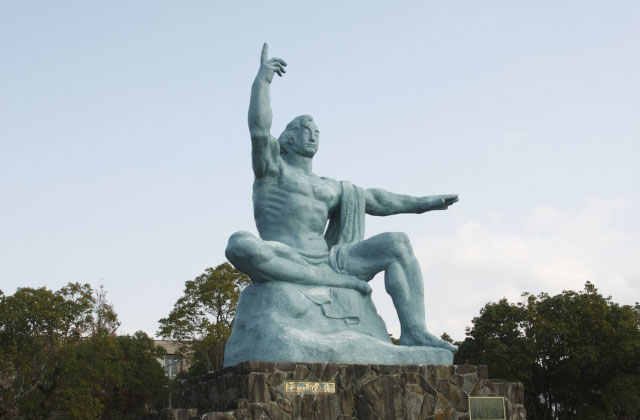
Centered on the Peace Statue and featuring the Fountain of Peace and monuments donated by nations around the world, the park has been laid out as a fitting space for prayers for peace. Every year on August 9, the Peace Memorial Ceremony is held on the plaza in front of the statue.
- Inside Peace Park, Matsuyama-machi, Nagasaki City
- 3-minute walk from "Peace Park" tram stop
- Nagasaki City Official Site
Nagasaki Penguin Aquarium
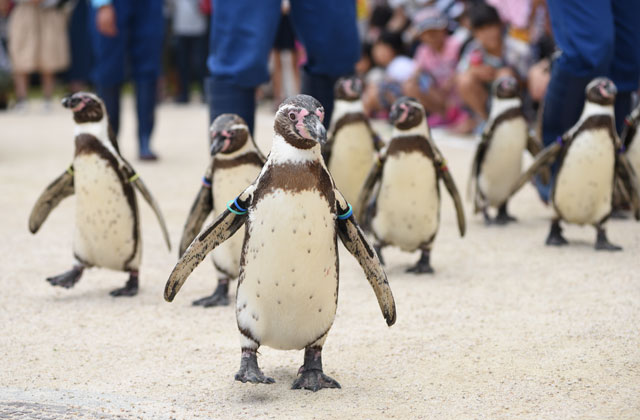
An aquarium home to 180 penguins across 9 species. Perfect for a family trip — the kids will love it!
- 3-16 Yado-machi, Nagasaki City, Nagasaki Prefecture
- 20 minutes by taxi from Hotel Marine World
- Take the bus bound for Aba / Kasuga Shako-mae and get off at "Penguin Aquarium-mae," then 5-minute walk
- Penguin Aquarium Official Site
ISLAND LUMINA~ Island Lumina ~
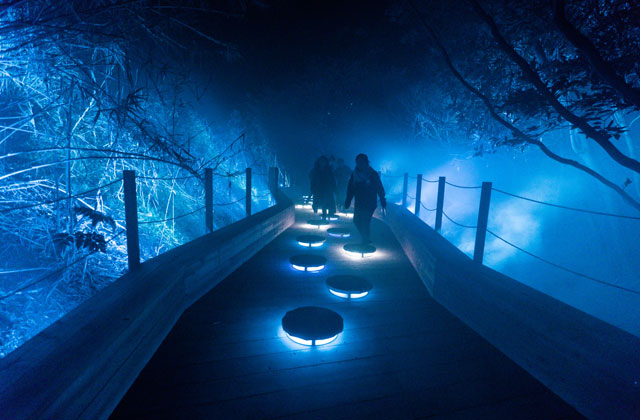
A wholly new kind of attraction: walk through the dramatic natural landscape of Iojima while exploring a fantastical world conjured by cutting-edge digital art using light and projection.
- 3-16 Yado-machi, Nagasaki City, Nagasaki Prefecture
- Reach Iojima by bus or car, then take the dedicated shuttle bus from the bus stop
- ISLAND LUMINA Official Site
Sightseeing Map
TOURISM MAP